

What Boat Owners Are Adding On in 2026: The Marine Electronics Trends Worth Knowing
If new boat sales are soft this year, the electronics aisle is telling a different story. Boat owners who aren't buying a new hull are pouring money into upgrading the one they already have, and 2026 has brought a genuine wave of new gear worth knowing about, whether you're advising customers on a repower, stocking your parts counter, or building out your service department's upsell menu. Here's what's actually trending on the water this summer.
Starlink Has Changed What "Connected Boat" Means
Satellite internet has gone from a superyacht luxury to something weekend cruisers are installing themselves. The Starlink Mini, in particular, has become the go-to option for coastal boaters and liveaboards: it draws modest power, mounts easily on a hardtop or radar arch, and delivers speeds that rival home broadband once you're anchored or docked.
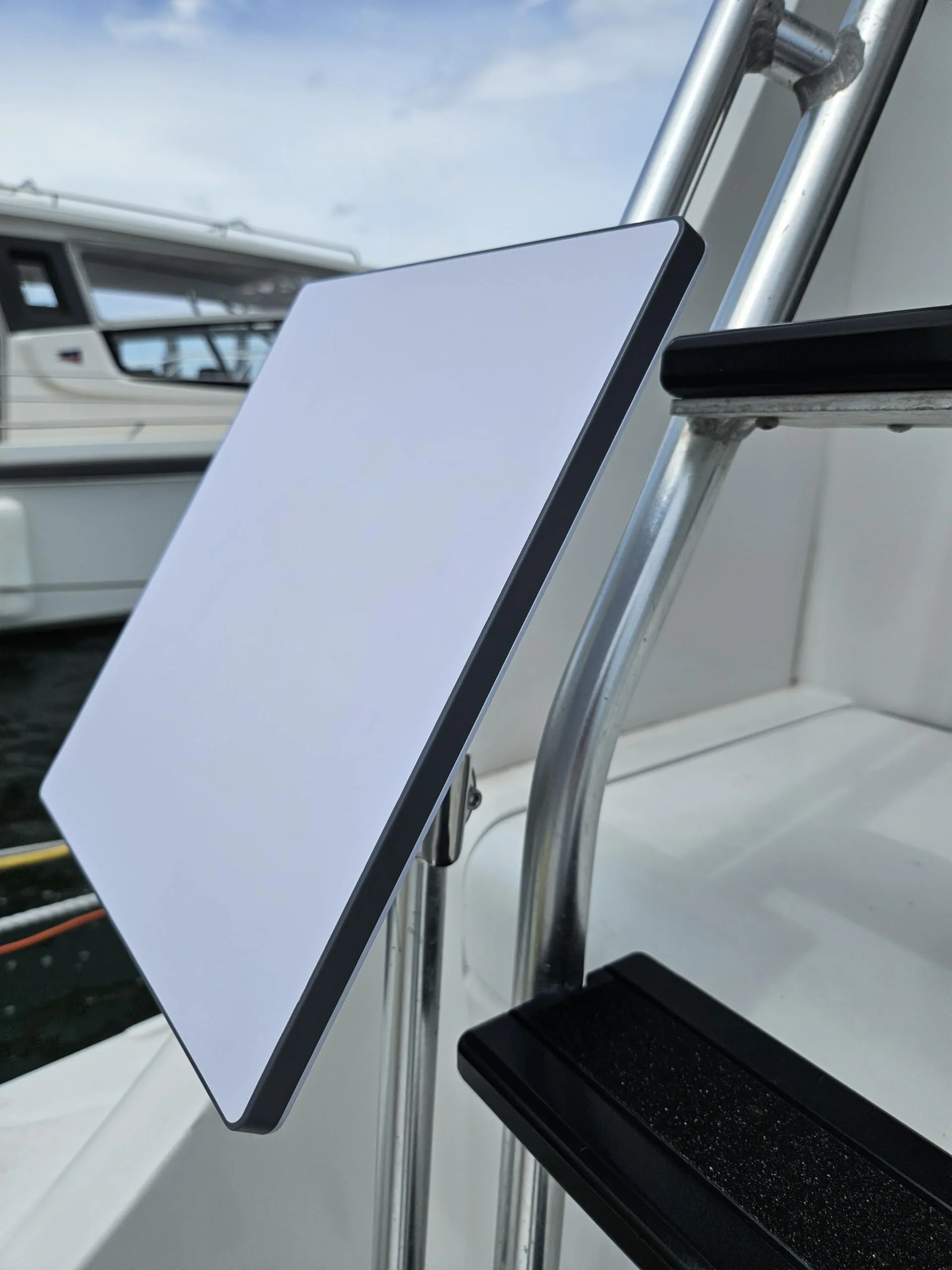
A few things are worth knowing before you recommend it to a customer:
Starlink at anchor performs very differently than Starlink underway. The Mini is genuinely a "when parked" solution. Boaters who want a stable connection while running need the Flat High Performance dish and an in-motion add-on, which is a meaningfully bigger investment.
Heavy rain can cut speeds significantly at sea, since there's nothing on the water to block a downpour the way buildings or trees do on land.
Mounting matters more on a boat than almost any other application. Salt exposure means stainless hardware only, and radar or other transmitting electronics need real separation from the dish to avoid interference.
For dealers and installers, this is quickly becoming a standard add-on conversation, not a niche one, especially for anyone doing remote work from the boat or spending extended time at anchor.
Forward-Facing and Live Sonar Keep Getting Better
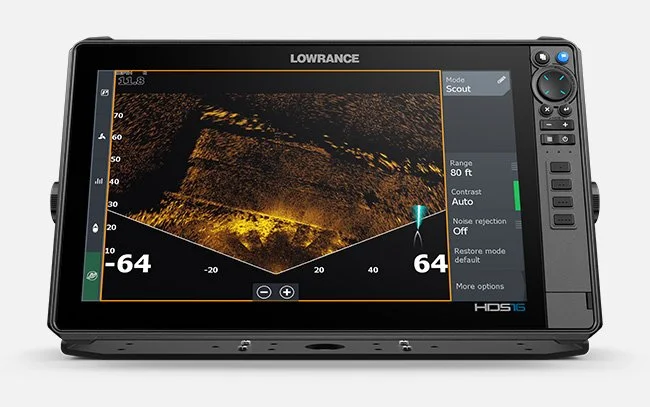
Live sonar has been the biggest thing in recreational fishing electronics for a few years now, and 2026's upgrades are pushing it further. Systems like Lowrance's newest ActiveTarget model are delivering sharper, more intuitive real-time views of what's happening beneath and around the boat, which is exactly what anglers have been asking for since the category first launched. On the transducer side, new ultrawide chirp options are giving anglers a much broader view of the water column instead of a narrow cone, which matters most for offshore and big-game fishing where bait schools and predators are spread out rather than stacked directly under the hull.
If you sell to anglers, live sonar and wide-beam transducers remain the single easiest upsell conversation you can have this season.
AI Is Quietly Taking Over the Helm
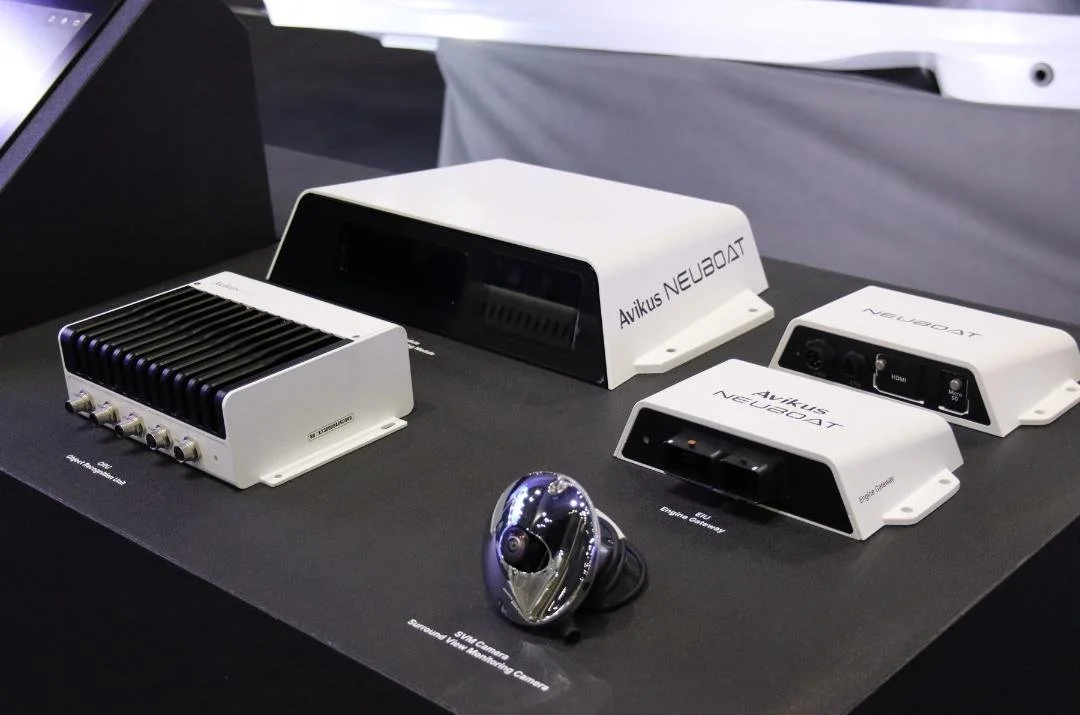
The most talked-about shift this year isn't a screen or a sensor, it's software. AI-assisted systems are moving well past basic autopilot and into genuine co-pilot territory: intelligent route planning, object detection, and docking assistance that takes the stress out of the hardest part of boat ownership for a lot of owners. Camera-based docking systems that use machine learning to judge distance and offer a "virtual bumper" are showing up on new builds and as aftermarket add-ons alike.
This is a strong story for nervous or first-time boaters in particular, since docking anxiety is one of the most common reasons people hesitate to buy a boat in the first place. Positioning AI docking assist as a confidence-builder, not just a tech novelty, tends to land well with that audience.
Safety Electronics Are Getting Smarter and Smaller
A few practical safety upgrades are worth flagging to customers who might not know they exist yet:
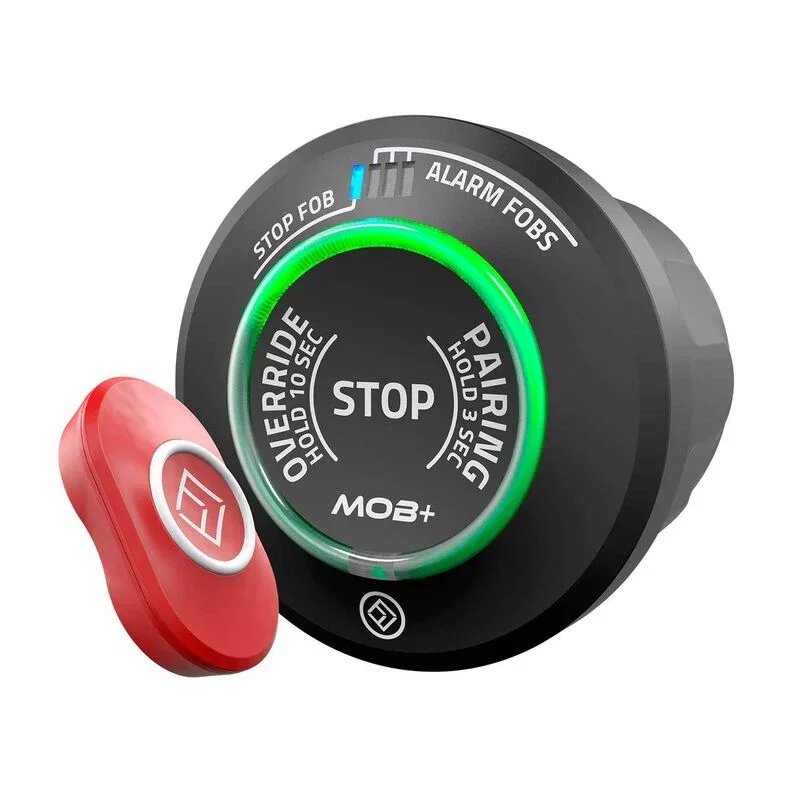
Wireless engine cut-off switches using Bluetooth wearables have started replacing the old coiled lanyard, automatically shutting down the engine if the operator goes overboard. It's a small, inexpensive upgrade that solo anglers and boating families both appreciate.
Boat monitoring systems have gotten cheaper and easier to install. Newer wireless, low-power units can track battery levels, water intrusion, and motion without wiring into the boat's electrical system, which makes them realistic for owners who don't want a full marine electrician install just to keep an eye on the boat at the dock.
Class B+ AIS units with app-based setup are lowering the barrier to entry for owners who want better visibility to other vessels without a complicated install.
Batteries and Power Are Having a Moment Too
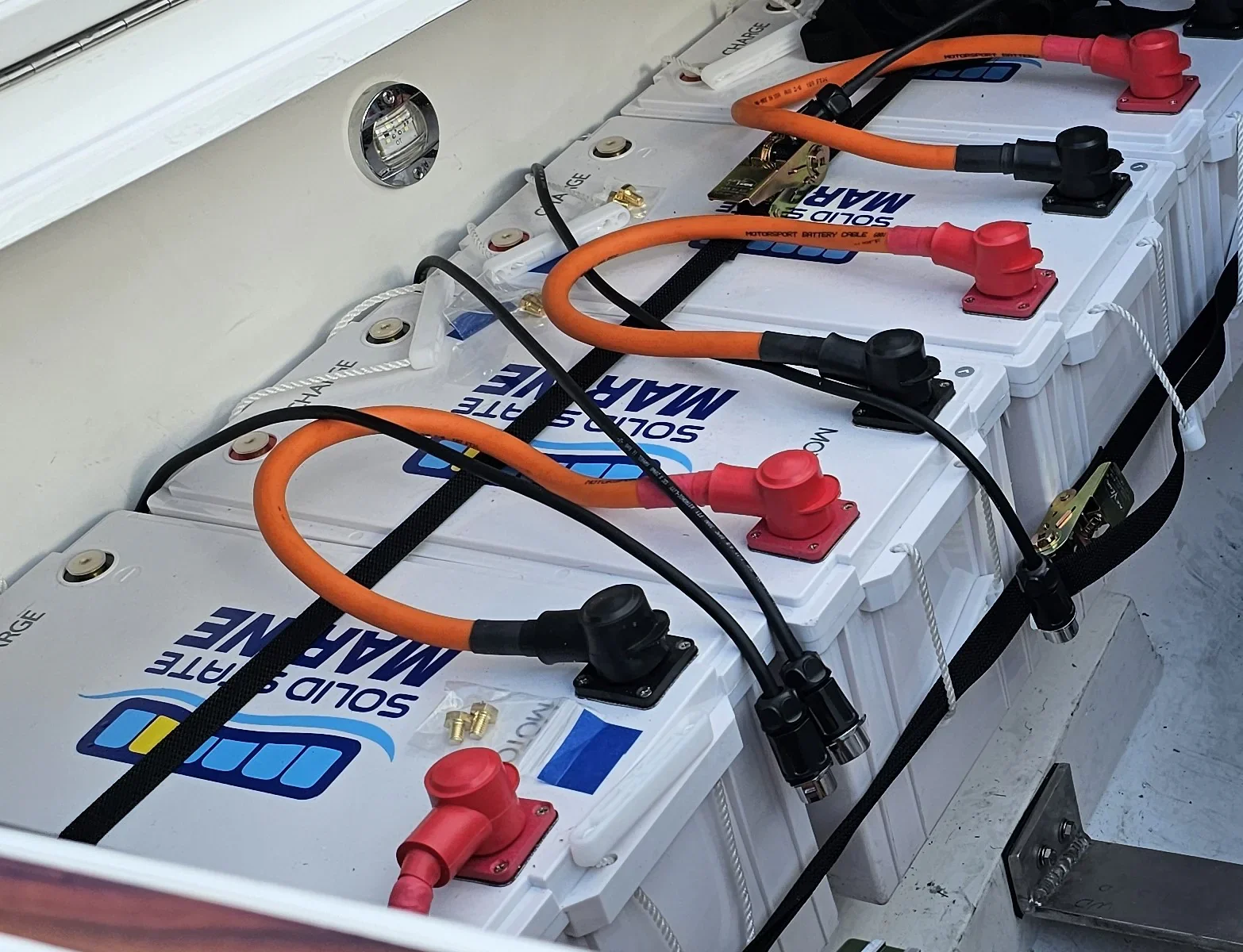
Solid state marine batteries are starting to hit the market, offering meaningfully more energy density and less weight than standard lithium-ion, which matters for owners adding more electronics without wanting to add more weight or complexity to their power systems. As boats carry more always-on electronics (chartplotters, live sonar, monitoring systems, Starlink), power budgeting is becoming its own conversation with customers, not an afterthought.
What This Means for Your Counter and Your Service Bay
A few takeaways worth acting on this season:
Add connectivity to your upgrade conversations. Starlink Mini installs are a realistic, approachable upsell for a huge range of boat owners, not just offshore cruisers.
Keep live sonar and wide-beam transducers front and center for anyone who fishes. It remains the most requested upgrade category among anglers.
Talk about AI docking assist with nervous or first-time buyers. It directly addresses one of the biggest psychological barriers to boat ownership.
Bundle safety electronics as an easy add-on, especially wireless cut-off switches and monitoring systems, which are inexpensive, quick to install, and genuinely useful.
Start having the power budget conversation. As more electronics get added to a boat, battery capacity and charging setup become part of the sale, not a separate one.
Boat owners aren't waiting for a new hull to upgrade their experience on the water. The electronics category is where a lot of this year's real spending is happening, and it's an area where informed advice pays off in trust as much as in sales.
Sources: Marlin, Leviathan Marine Supply, The Fisherman 2026 Marine Electronics Buyers' Guide, Boating Industry, PropTalk, and marine connectivity reporting through mid-2026.